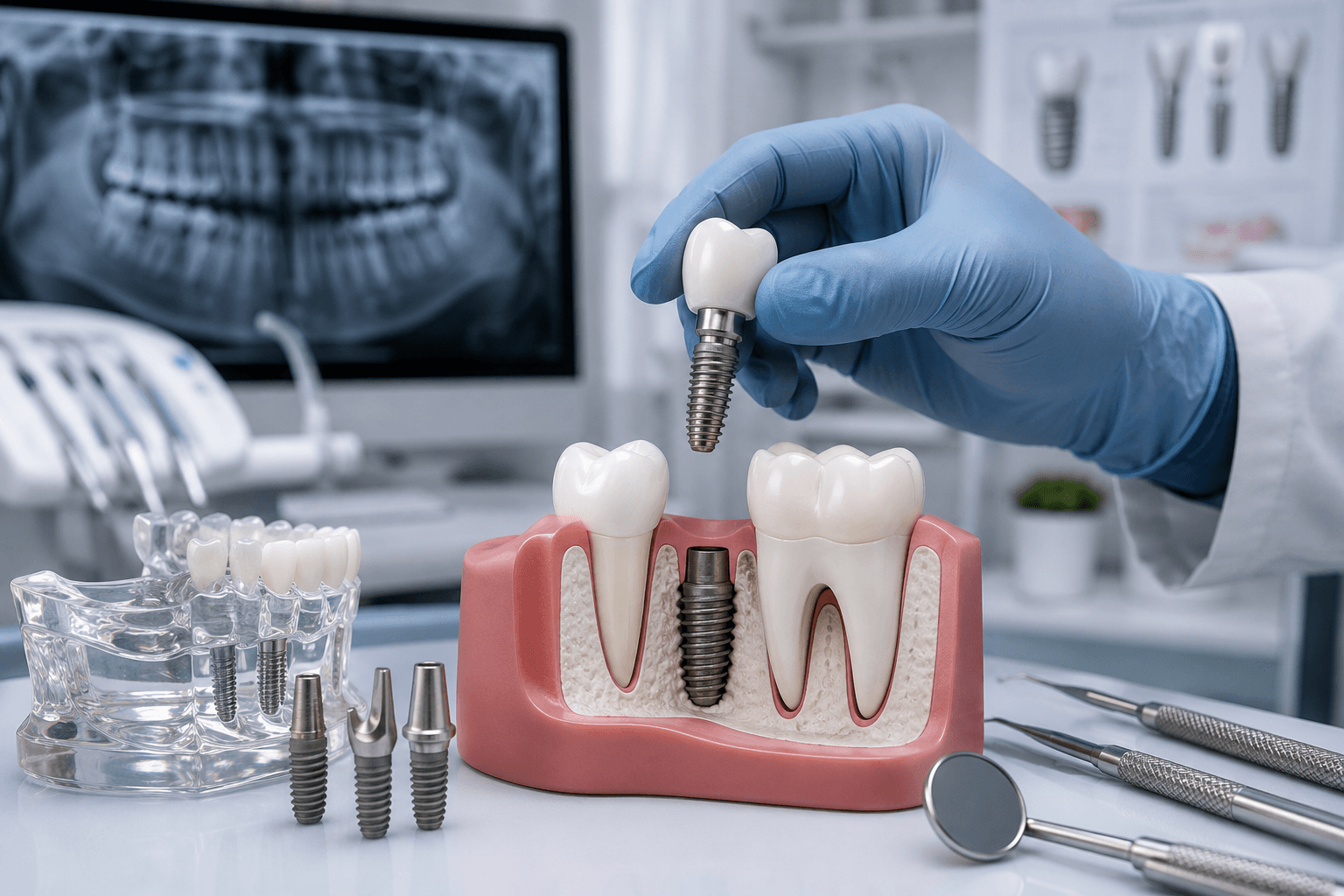
Dental Implants: A Complete Guide for Dentists to Modern Implant Dentistry
Dental implants have become the gold standard for replacing missing teeth because they offer excellent aesthetics, function, and long-term stability. Successful implant treatment depends on proper case selection, CBCT evaluation, surgical planning, implant placement, and prosthetic rehabilitation. Advances in implant surface technology, digital workflows, and guided surgery have made implant procedures more predictable and minimally invasive.
For dentists, mastering implant dentistry requires more than theoretical knowledge. Clinical success comes from understanding implant biology, surgical protocols, prosthetic principles, and complication management. At Master Clinical Dentistry Institute, dentists receive comprehensive hands-on implant training that builds confidence and prepares them to successfully incorporate implant dentistry into routine clinical practice.
Bone Quality, Treatment Planning, and Surgical Precision
Successful dental implant treatment begins with comprehensive diagnosis and meticulous treatment planning. Clinical examination, assessment of oral hygiene, periodontal health, and occlusion should be complemented by Cone Beam Computed Tomography (CBCT) to evaluate bone height, width, density, and the proximity of vital anatomical structures such as the maxillary sinus and inferior alveolar nerve. Proper implant selection, ideal three-dimensional implant positioning, and prosthetically driven planning significantly improve long-term success rates while minimizing surgical complications. In cases with insufficient bone volume, procedures such as bone grafting, ridge preservation, sinus lift surgery, or guided bone regeneration may be required before implant placement.
Long-Term Maintenance and Clinical Success
The long-term success of dental implants depends not only on precise surgical placement but also on appropriate prosthetic rehabilitation and regular maintenance. Dentists should educate patients about proper oral hygiene practices, routine professional cleaning, and periodic follow-up examinations to prevent peri-implant mucositis and peri-implantitis. Regular clinical and radiographic evaluations help monitor implant stability, bone levels, and prosthetic integrity. By combining evidence-based treatment protocols, advanced implant technologies, and continuous clinical education, dentists can achieve predictable functional and aesthetic outcomes while providing patients with durable, natural-looking tooth replacement solutions. At Master Clinical Dentistry Institute, hands-on implant training equips clinicians with the practical skills required to confidently perform implant procedures and manage both straightforward and complex implant cases.