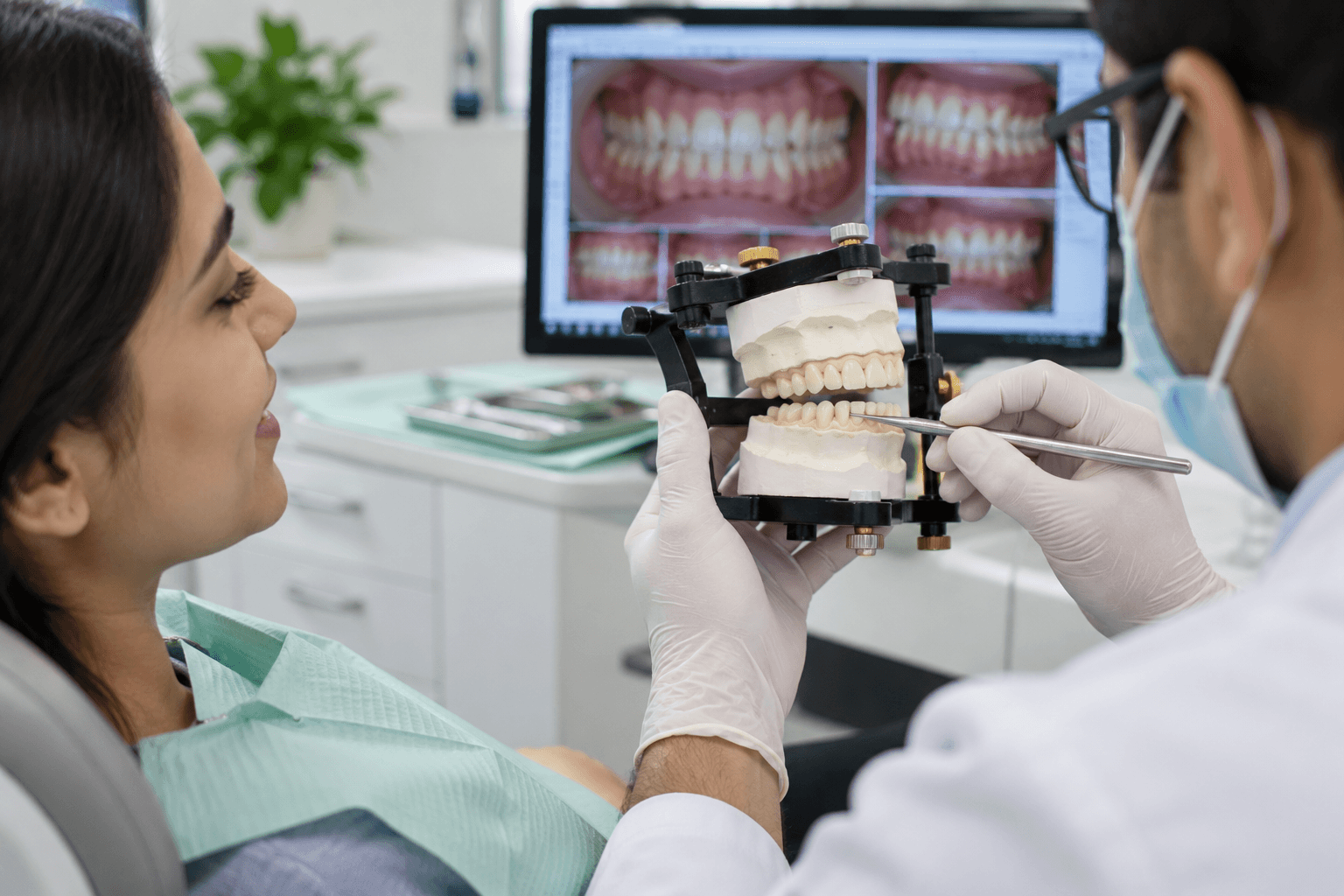
Dental Occlusion: Understanding Its Role in Diagnosis and Treatment Planning
The way the upper and lower teeth meet has an important influence on the function, stability, and overall health of the dentition. Dental occlusion refers to the relationship between the maxillary and mandibular teeth when they come together. Understanding this relationship is an important part of comprehensive dental diagnosis and treatment planning.
Occlusion is not limited to simply observing whether teeth appear straight or properly aligned. Dentists also need to consider tooth contacts, mandibular movements, functional relationships, existing restorations, periodontal conditions, and the patient's symptoms. A careful occlusal assessment can therefore provide useful information when planning restorative, prosthodontic, orthodontic, or other dental treatment.
Why Dental Occlusion Matters in Clinical Dentistry
Every patient has an individual occlusal relationship, and changes in this relationship may occur because of tooth loss, tooth wear, tooth migration, restorations, trauma, or other dental conditions. Recognizing these changes can help dentists understand how the dentition is functioning and whether occlusion may be contributing to a patient's clinical concerns.
During a dental examination, dentists can evaluate the way teeth contact one another in different mandibular positions and during movements such as protrusion and lateral excursion. The assessment may also include examination of tooth wear, mobility, fractured restorations, sensitivity, muscle tenderness, and other findings that may provide clues about functional loading.
A thorough approach to dental diagnosis and treatment planning should therefore consider occlusion alongside the teeth, periodontal tissues, temporomandibular structures, and overall oral condition. This broader assessment can help dentists develop treatment plans that address both immediate problems and the functional requirements of the patient's dentition.
Occlusal Assessment and Treatment Planning
An effective occlusal analysis in dentistry begins with clinical examination and appropriate documentation of the patient's existing occlusal relationship. Depending on the clinical situation, dentists may evaluate maximum intercuspation, centric relation considerations, anterior guidance, posterior contacts, tooth wear, and mandibular movements.
Occlusal findings become particularly relevant when planning restorative or prosthodontic treatment. A new restoration changes the shape and contact relationships of a tooth, so the dentist must consider how the restoration will function with the opposing dentition. An inaccurate assessment or inappropriate occlusal adjustment may contribute to discomfort, restoration-related complications, or unnecessary changes to the patient's natural tooth structure.
For this reason, occlusion and treatment planning should be considered together rather than as completely separate aspects of dentistry. Understanding the patient's existing bite can help dentists make more informed decisions about restorative contours, replacement of missing teeth, tooth preparation, and other treatment requirements.
Recognizing Occlusal Problems in Everyday Practice
Occlusal problems do not always present in the same way. Some patients may have noticeable tooth wear or fractured restorations, while others may report discomfort, difficulty chewing, or symptoms that require further clinical investigation. The presence of an occlusal contact alone does not necessarily mean that it is the cause of a patient's symptoms.
Dentists should therefore avoid relying on a single finding when evaluating occlusion. Instead, clinical examination, patient history, relevant diagnostic records, and the overall treatment objective should be considered together. This approach supports more accurate occlusal diagnosis and reduces the risk of unnecessary treatment.
For dentists, developing a systematic approach to occlusal assessment can be especially valuable when managing complex restorative cases. Continuing dental education and practical clinical training can help dentists improve their ability to evaluate occlusal relationships and incorporate these findings into comprehensive treatment planning.
At Master Clinical Dentistry Institute (MCDI), practical dental education emphasizes the development of clinical reasoning and treatment-planning skills. A strong understanding of fundamental concepts such as occlusion can help dentists approach restorative and other clinical procedures with greater awareness of function as well as aesthetics.
A Practical Approach to Occlusal Assessment
A structured occlusal examination can help dentists organize their clinical findings before developing a treatment plan.
Patient History: Begin by understanding the patient's primary concerns, including difficulty chewing, discomfort, tooth wear, fractured teeth, previous restorations, or other functional complaints.
Clinical Examination: Examine the teeth, existing restorations, wear patterns, mobility, fractures, and relationships between the upper and lower arches.
Occlusal Contacts: Observe relevant tooth contacts and consider their relationship to the patient's overall clinical presentation.
Mandibular Movements: Assess appropriate jaw movements and identify clinically significant contacts or interferences where relevant.
Treatment Considerations: Consider how existing and planned restorations may influence the patient's occlusion and overall function.
Final Treatment Planning: Combine the occlusal findings with the patient's history, examination, diagnosis, and treatment objectives before making clinical decisions.
Key Takeaways
Dental occlusion is an important component of comprehensive dental assessment.
Occlusal relationships can change because of tooth loss, tooth wear, restorations, tooth migration, trauma, and other factors.
Occlusal analysis should be combined with patient history and clinical examination.
Understanding occlusion can support restorative and prosthodontic treatment planning.
Dentists should avoid assuming that every occlusal contact is pathological or responsible for symptoms.
Practical knowledge of occlusal assessment can strengthen clinical diagnosis and treatment-planning skills.
Frequently Asked Questions
What is dental occlusion? Dental occlusion describes the relationship and contact between the upper and lower teeth when they come together and during relevant jaw movements.
Why is occlusion important in dental treatment planning? Understanding a patient's existing occlusal relationship can help dentists consider function when planning restorative, prosthodontic, and other dental procedures.
What is an occlusal assessment? An occlusal assessment involves evaluating tooth contacts, jaw relationships, mandibular movements, tooth wear, restorations, and other relevant clinical findings.
Can dental occlusion change over time? Yes. Tooth loss, tooth movement, tooth wear, restorations, trauma, and other changes in the oral environment can alter occlusal relationships.
Should every occlusal contact be treated? No. An occlusal contact should be interpreted in the context of the patient's symptoms, clinical findings, diagnosis, and overall treatment objectives rather than automatically considered abnormal.
Conclusion
A clear understanding of dental occlusion can help dentists make better-informed clinical decisions. Occlusal assessment provides valuable information about how the dentition functions and can be particularly relevant when planning restorative and prosthodontic treatment.
By combining occlusal examination with comprehensive diagnosis, patient history, and treatment objectives, dentists can develop more thoughtful and function-oriented treatment plans. Continued dental education and clinical training can further strengthen these skills and help dentists manage a wider range of clinical situations with confidence.
At Master Clinical Dentistry Institute (MCDI), practical and career-oriented dental education focuses on developing clinical knowledge, treatment-planning abilities, and practical skills that dentists can apply in everyday practice.