Introduction
Successful dentistry begins with accurate diagnosis and careful treatment planning. A dentist should not focus only on the tooth that is causing the patient's immediate concern but should evaluate the patient's overall oral health, functional requirements, aesthetic expectations and long-term needs.
Dental treatment planning is the process of bringing all this information together to develop an organised approach to patient care. It involves understanding the patient's chief complaint, reviewing their medical and dental history, performing a clinical examination, using appropriate diagnostic investigations and determining suitable treatment options.
For dentists, developing strong treatment planning and clinical decision-making skills is particularly important when managing patients with multiple dental problems. A systematic approach can help the clinician establish priorities and determine which procedures should be performed first.
Understanding the Patient and Establishing a Diagnosis
The treatment planning process begins with the patient. Understanding the chief complaint helps the dentist identify what the patient considers most important, whether the concern is pain, sensitivity, difficulty chewing, missing teeth or aesthetics. Medical history, previous dental treatment, medications and relevant habits should also be considered because these factors can influence treatment decisions.
A thorough clinical examination should then be performed. Depending on the case, diagnostic photographs, intraoral radiographs, panoramic imaging, CBCT, study models or intraoral scans may be used. These investigations should be selected according to the patient's clinical requirements.
The information obtained should be evaluated together to establish a diagnosis. A diagnosis should form the basis of the treatment plan rather than simply treating individual symptoms.
Developing a Comprehensive Treatment Plan
Once the diagnosis is established, the dentist can identify the patient's treatment needs and establish clear objectives. These may include controlling active disease, managing infection, preserving teeth, restoring function, improving aesthetics or replacing missing teeth.
Treatment priorities are important. For example, active infection or uncontrolled periodontal disease may need to be addressed before definitive restorative or prosthodontic treatment. Similarly, a tooth requiring endodontic treatment should be evaluated for its restorability and long-term prognosis before deciding on the final restoration.
In complex cases, several treatment options may be available. Dentists should consider the advantages, limitations, prognosis, biological requirements and long-term maintenance associated with each option. Patient expectations and preferences should also be incorporated into the decision-making process.
A comprehensive treatment plan may involve several areas of dentistry, including periodontics, endodontics, restorative dentistry, prosthodontics, orthodontics and implant dentistry. When multiple specialties are involved, proper sequencing and communication become particularly important.
The Importance of Treatment Sequencing
Treatment sequencing determines the order in which different procedures should be completed. A logical sequence can help create a more predictable clinical workflow and reduce the risk of complications.
Disease control and stabilisation generally form an important part of the initial phase of comprehensive treatment. Once the oral environment is stable, definitive restorative, prosthodontic, implant or aesthetic procedures can be planned according to the patient's needs.
Treatment planning should also consider the long-term maintenance of the patient's oral health. A successful dental treatment plan is not simply about completing procedures; it should also establish a strategy for maintaining the results.
Digital Technology and Modern Treatment Planning
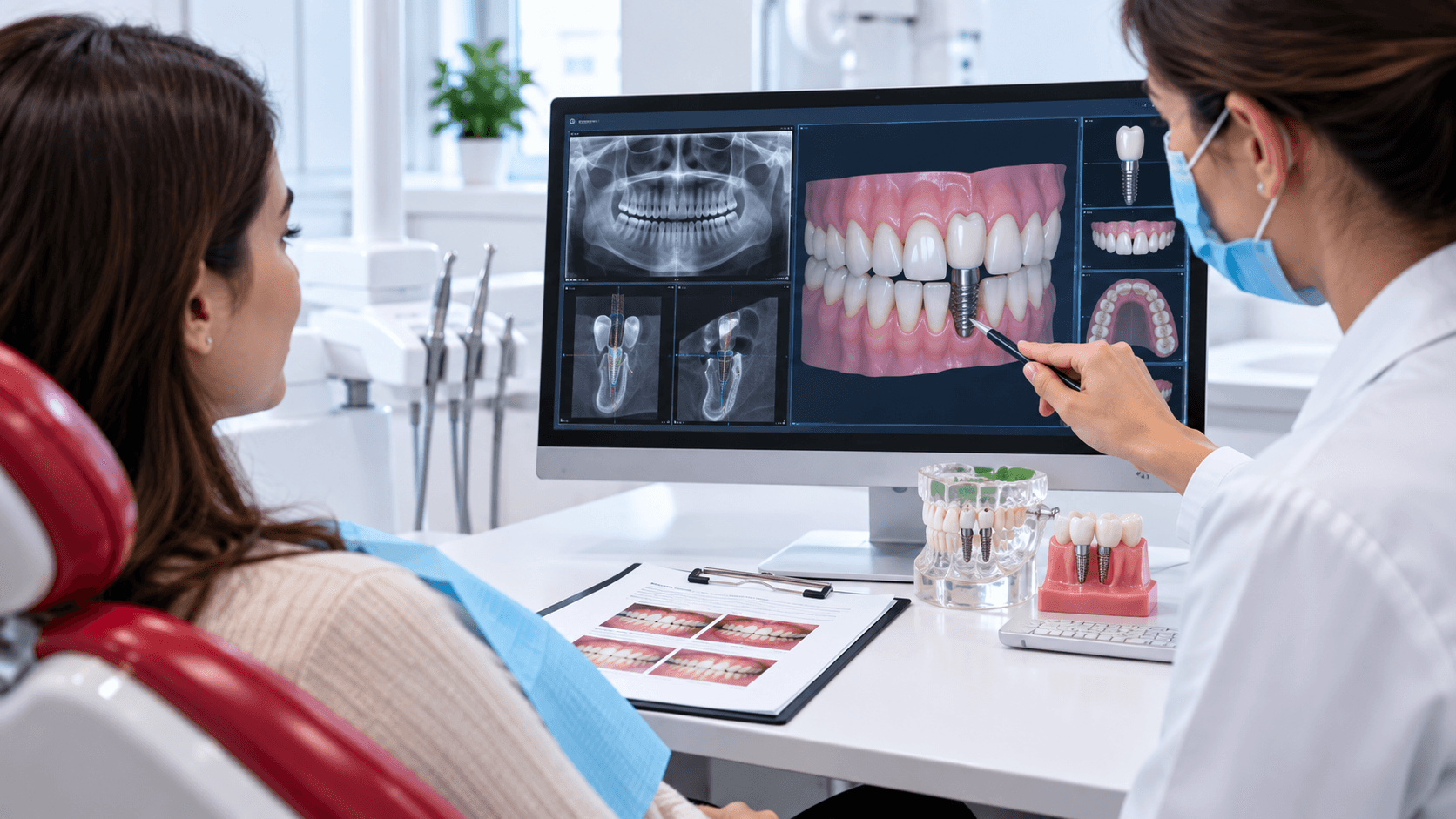
Digital dentistry is increasingly supporting the treatment planning process. Technologies such as CBCT, intraoral scanners, digital photography and computer-based treatment planning can provide dentists with additional information in appropriate clinical situations.
Digital records can help dentists visualise certain aspects of treatment and can also improve communication with dental laboratories. In implant dentistry, for example, CBCT and digital scans can be incorporated into digital implant planning workflows.
However, technology should support rather than replace clinical judgement. The dentist must interpret the available information and determine which treatment is appropriate for the individual patient.
Patient Communication and Informed Decisions
A treatment plan should always be discussed clearly with the patient. Dentists should explain the diagnosis, recommended treatment, available alternatives, expected outcomes and relevant limitations in language the patient can understand.
Patient preferences are an important part of modern patient-centred dentistry. The final treatment plan should reflect an informed discussion between the dentist and patient rather than simply being a list of procedures.
Clear communication can also help patients understand why certain procedures need to be completed before others and why regular maintenance is necessary after treatment.
Conclusion
Dental treatment planning is an essential component of clinical dentistry. A systematic approach allows dentists to move beyond treating individual symptoms and develop a comprehensive strategy based on diagnosis, risk assessment, treatment objectives and long-term oral health.
Modern technologies such as CBCT, intraoral scanning and digital treatment planning can support this process, but fundamental clinical knowledge and professional judgement remain essential.
For dentists, improving treatment planning skills through clinical education, case discussions, mentorship and practical experience can help develop greater confidence in clinical decision making and comprehensive patient care.
Frequently Asked Questions
What is dental treatment planning?
Dental treatment planning is the process of assessing a patient's oral condition, establishing a diagnosis and developing a logical sequence of appropriate treatment.
Why is treatment planning important in dentistry?
It helps dentists prioritise treatment, evaluate different options, sequence procedures and develop a comprehensive approach to the patient's oral health.
What should a dentist consider before creating a treatment plan?
The dentist should consider the patient's chief complaint, medical and dental history, clinical findings, diagnosis, risk factors, prognosis, treatment alternatives, expectations and long-term maintenance.
Can digital technology help with dental treatment planning?
Yes. CBCT, intraoral scanners, digital photographs and computer-based planning systems can provide useful information for treatment planning in appropriate clinical situations.
How can dentists improve their treatment planning skills?
Clinical case discussions, continuing dental education, mentorship and hands-on clinical training can help dentists develop stronger treatment planning and clinical decision-making skills.