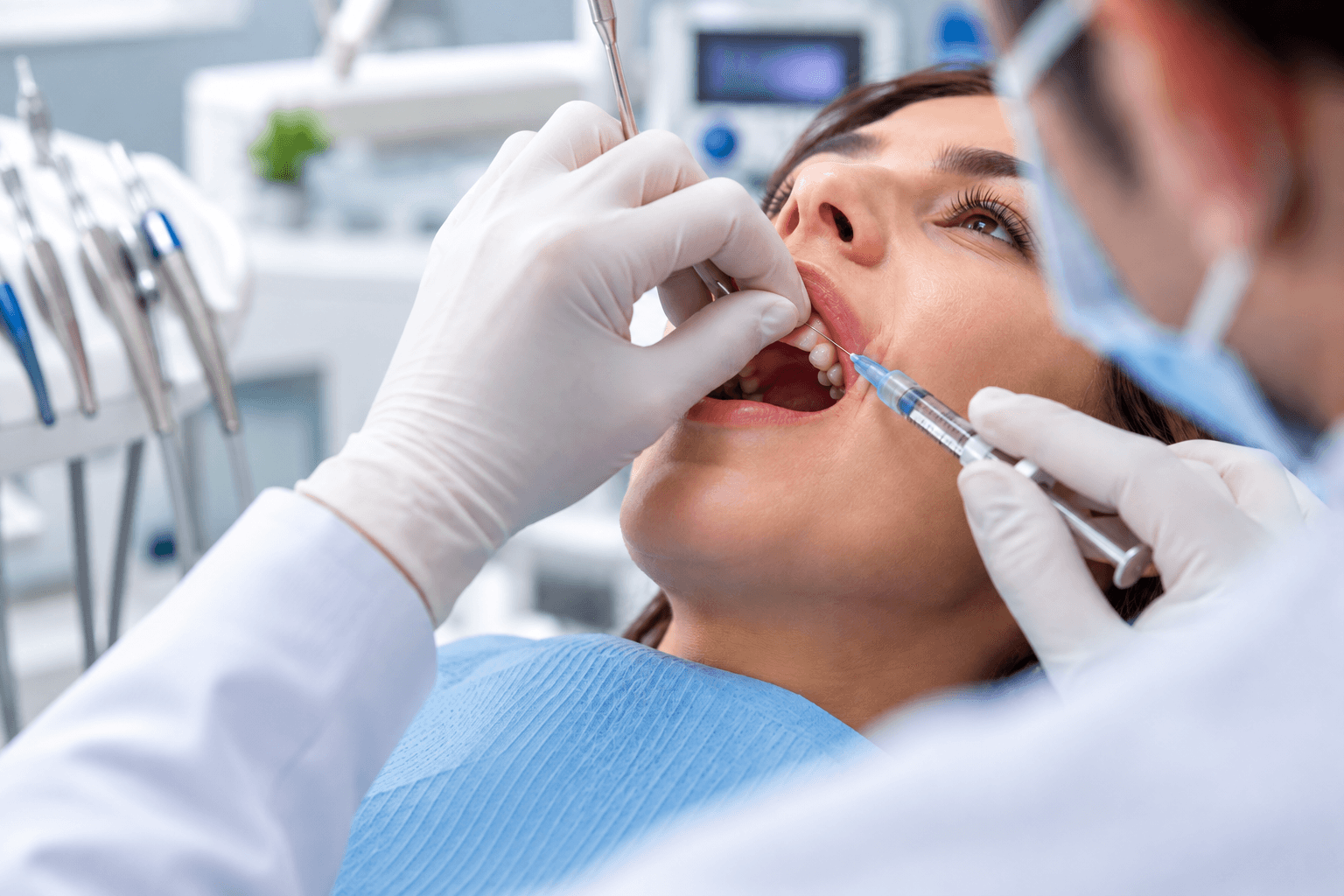
Local Anesthesia in Dentistry: Techniques Every Dentist Should Master
Pain control is an important part of successful dental treatment. A comfortable patient is more likely to cooperate during treatment, while effective anesthesia allows dentists to carry out clinical procedures with greater confidence and precision. For this reason, local anesthesia in dentistry remains one of the fundamental clinical skills that dentists need to develop throughout their professional practice.
Whether a dentist is performing restorative treatment, tooth preparation, periodontal procedures, extractions or other clinical procedures, achieving adequate anesthesia requires more than simply administering an injection. It involves understanding dental anatomy, selecting an appropriate dental anesthesia technique, assessing the patient and recognizing factors that may affect anesthetic effectiveness.
Understanding the Importance of Local Anesthesia in Dentistry
Local anesthesia temporarily reduces sensation in a specific area of the mouth, allowing dental treatment to be performed with minimal pain or discomfort. It is routinely used in a wide range of procedures and forms an important part of patient-centred dental care.
The choice of anesthesia depends on several factors, including the location of the tooth, the type and extent of the procedure, surrounding anatomy and the patient's individual circumstances. A dentist must understand the treatment requirements before deciding whether infiltration, a nerve block or an additional anesthetic technique is appropriate.
A strong foundation in local anesthesia techniques for dentists also requires a good understanding of oral and maxillofacial anatomy. Knowledge of the location and pathway of nerves and important anatomical landmarks helps dentists select an appropriate technique and improve the predictability of anesthesia.
Common Local Anesthesia Techniques Used by Dentists
Different dental procedures require different methods of achieving anesthesia. Infiltration anesthesia is commonly used for localized procedures where the anesthetic solution can reach the terminal nerve branches supplying the treatment area. It is frequently used in suitable areas of the maxilla and for selected localized dental procedures.
The inferior alveolar nerve block is another important technique in clinical dentistry, particularly for procedures involving the posterior mandible. Because mandibular anatomy can make anesthesia more challenging in certain situations, dentists require a sound understanding of the relevant anatomical landmarks and nerve distribution.
Other approaches, such as the mental nerve block, posterior superior alveolar nerve block and palatal anesthesia, may be used depending on the treatment area and clinical requirements. Understanding when and why to use these different dental anesthesia techniques is an important component of practical dental education.
However, even a correctly selected technique may not always produce complete anesthesia. Anatomical variations, inflammation, accessory nerve supply and patient-related factors can affect the clinical result. Dentists therefore need to evaluate the effectiveness of anesthesia before beginning treatment and modify their approach when necessary.
Improving Patient Comfort During Dental Treatment
Successful pain management is not limited to the technical administration of local anesthesia. Patient communication in dentistry can also have a significant influence on the treatment experience. Patients who are anxious about injections or previous dental experiences may require additional reassurance and clear communication before treatment begins.
Explaining what the patient can expect, answering questions and maintaining a calm clinical environment can help establish trust. Careful administration and appropriate assessment of anesthesia before treatment can further contribute to patient comfort.
For dentists, developing confidence in local anesthesia in dental practice comes through a combination of theoretical knowledge and practical experience. Continuing dental education and hands-on clinical training can help dentists strengthen their understanding of anatomy, anesthesia techniques, patient management and clinical decision-making.
At Master Clinical Dentistry Institute (MCDI), practical and career-oriented dental education focuses on developing clinical knowledge and skills that dentists can apply in their everyday practice. Strengthening fundamental clinical skills such as pain management and local anesthesia can help dentists approach a wide range of dental procedures with greater confidence.
Key Points for Dentists
Local anesthesia is an essential component of comfortable dental treatment.
Different dental procedures require different anesthesia techniques.
Knowledge of dental anatomy is important for predictable anesthesia.
Infiltration and nerve block techniques are commonly used in dental practice.
Patient communication can help reduce anxiety associated with dental injections.
Adequate anesthesia should be assessed before beginning treatment.
Practical clinical dental training can help dentists develop greater confidence in anesthesia techniques.
Frequently Asked Questions
What is local anesthesia in dentistry? Local anesthesia is a method used to temporarily reduce sensation in a particular area of the mouth so that dental treatment can be performed with minimal pain or discomfort.
What are the most common dental anesthesia techniques? Common techniques include infiltration anesthesia, inferior alveolar nerve block, mental nerve block, posterior superior alveolar nerve block and palatal anesthesia.
Why is dental anatomy important for local anesthesia? A detailed understanding of dental and oral anatomy helps dentists identify relevant nerves and anatomical landmarks and select an appropriate anesthesia technique.
What can affect the success of local anesthesia? Anatomical variation, inflammation, accessory nerve supply, patient anxiety and technique-related factors can all influence the effectiveness of dental anesthesia.
How can dentists improve their anesthesia skills? Dentists can improve their skills through continuing education, hands-on dental clinical training, supervised practice and regular development of clinical techniques.
Conclusion
Mastering local anesthesia in dentistry is an essential part of developing strong clinical dentistry skills. Effective pain control requires an understanding of anatomy, appropriate selection of technique, careful clinical assessment and good communication with the patient.
As dental practice continues to develop, dentists can benefit from ongoing education and practical training that strengthens their ability to perform procedures confidently and comfortably. Building strong foundations in essential clinical skills such as local anesthesia can contribute to better treatment experiences and more predictable dental care.