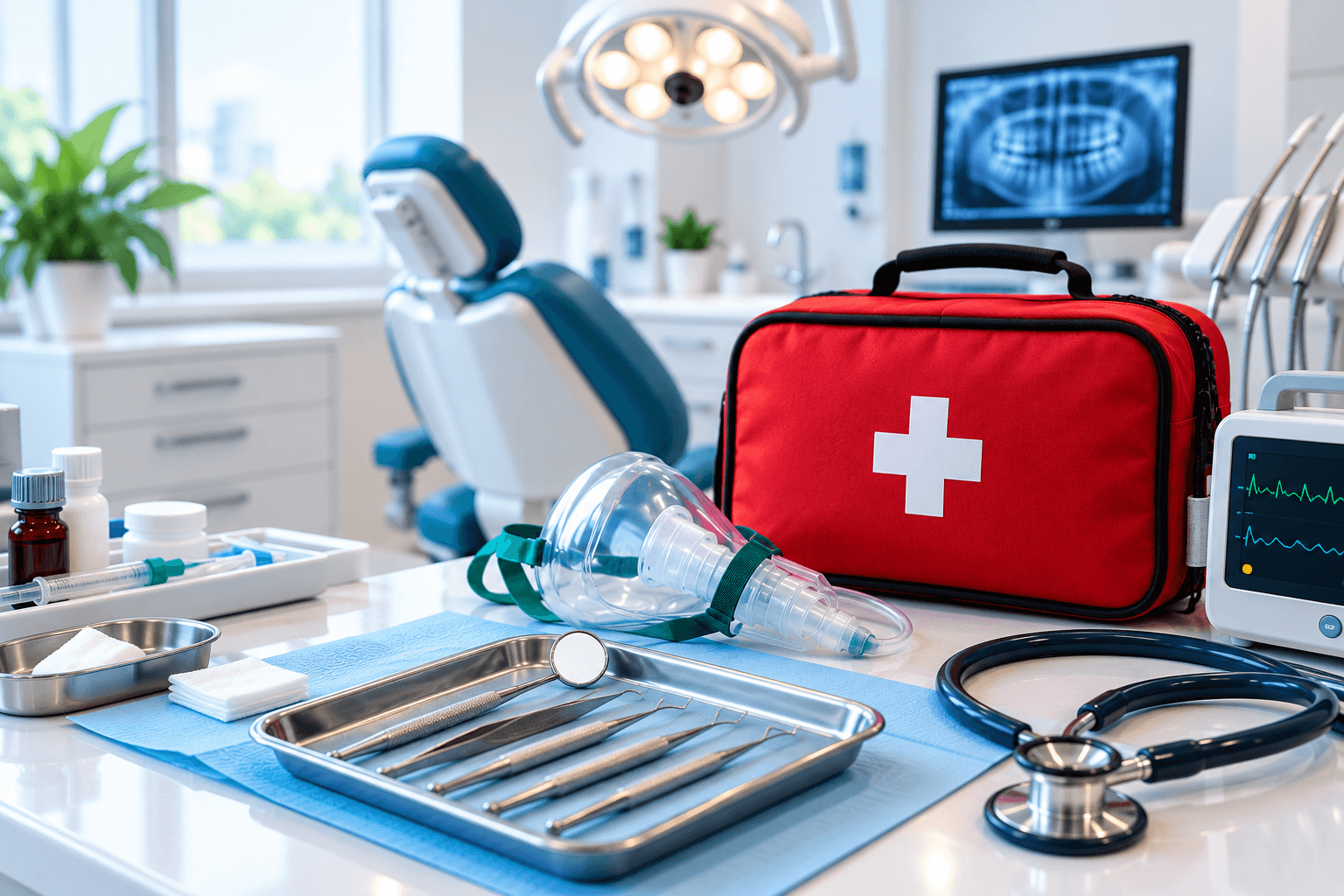
Managing Dental Emergencies: Essential Protocols Every Dentist Should Know
Dental emergencies can occur unexpectedly and require dentists to make timely clinical decisions. Severe toothache, dental trauma, swelling, uncontrolled bleeding, fractured restorations, and acute infections are among the situations that may require urgent assessment and treatment.
Effective dental emergency management begins with identifying the patient's immediate needs, assessing the severity of the condition, controlling pain or bleeding when appropriate, and determining whether urgent dental treatment or medical referral is required.
For dental professionals, understanding basic emergency protocols in dentistry is an essential clinical skill.
What Is a Dental Emergency?
A dental emergency is a condition involving the teeth, oral tissues, or surrounding structures that requires prompt professional assessment to relieve symptoms, prevent complications, or manage potential risks.
Common dental emergencies include:
Severe dental pain, Dental abscess and swelling, Fractured or avulsed teeth, Traumatic dental injuries, Soft-tissue injuries, Post-operative bleeding, Dislodged restorations, Acute periodontal problems, Facial or oral swelling,
Some patients may also experience medical emergencies during dental treatment, which require immediate recognition and appropriate emergency response.
Initial Assessment of a Dental Emergency
The first step in managing an emergency is a systematic assessment of the patient.
The dentist should consider:
1. Patient History :-
Obtain relevant information about:
Onset of symptoms, Duration and severity of pain, Previous dental treatment, Recent trauma, Existing medical conditions, Current medications, Allergies, Previous episodes of similar symptoms,
2. Clinical Examination :-
The examination should focus on identifying the source and severity of the problem.
Depending on the situation, assessment may include:
Extraoral examination, Intraoral examination, Tooth examination, Periodontal assessment, Pulpal assessment, Evaluation of soft tissues, Appropriate diagnostic imaging when clinically indicated,
3. Identify Red Flags:-
Certain findings require urgent escalation or referral, including significant facial swelling, difficulty breathing or swallowing, rapidly spreading infection, uncontrolled bleeding, altered consciousness, or other signs of serious medical compromise.
Managing Acute Dental Pain
Pain is one of the most common reasons patients seek emergency dental care.
The underlying cause should be identified rather than treating pain alone.
Possible causes include:
Dental caries, Pulpal inflammation, Periapical infection, Cracked or fractured teeth, Periodontal conditions, Traumatic injuries, Post-operative complications,
Management depends on the diagnosis and may involve definitive dental treatment, appropriate analgesia, or referral when necessary.
A clear diagnosis is therefore an important part of dental pain management.
Dental Trauma Emergencies
Dental trauma can occur following falls, sports injuries, road accidents, and other incidents.
Traumatic injuries may involve:
Enamel fractures, Crown fractures, Crown-root fractures, Tooth displacement, Tooth intrusion, Tooth extrusion, Tooth avulsion, Soft-tissue injuries,
The management approach depends on the type of injury, the patient's age, the affected tooth, the stage of root development, and associated soft-tissue or supporting-tissue injuries.
Prompt assessment is particularly important in traumatic dental injuries.
Managing a Knocked-Out Tooth
A completely displaced tooth is a time-sensitive dental emergency.
When a permanent tooth is avulsed, the dentist should assess the injury promptly and follow an appropriate trauma-management protocol.
Important considerations include:
Confirming whether the tooth is permanent
Assessing associated injuries
Handling the tooth appropriately
Evaluating the extraoral time
Considering the condition of the tooth
Providing appropriate emergency management
Arranging follow-up care
Because treatment depends on multiple clinical factors, dentists should follow current evidence-based dental trauma guidelines rather than relying on a single generalized protocol.
Managing Dental Bleeding
Bleeding may occur following extraction, oral trauma, periodontal procedures, or surgery.
Initial management generally focuses on:
Identifying the source of bleeding
Applying appropriate local measures
Assessing the patient's medical and medication history
Evaluating whether bleeding is excessive or persistent
Escalating care when local measures are unsuccessful
Patients taking anticoagulant or antiplatelet medications require particular attention to their medical history and should not have prescribed medication stopped without appropriate medical guidance.
Persistent or significant bleeding may require urgent professional or hospital-based management.
Medical Emergencies in the Dental Practice
Not every emergency in a dental clinic is dental in origin.
Patients can experience medical emergencies such as:
Vasovagal syncope, Hypoglycemia, Asthma-related emergencies, Allergic reactions, Seizures, Chest pain, Cardiac arrest,
Dental professionals and their teams should be prepared to recognize deterioration, initiate appropriate emergency measures, and activate emergency medical services when required.
Essential Emergency Equipment in a Dental Clinic
A dental practice should have appropriate emergency equipment and medications based on applicable local regulations and professional recommendations.
Emergency preparedness may include:
Oxygen and delivery equipment
Automated external defibrillator where appropriate
Basic airway equipment
Emergency medications
Blood-pressure monitoring equipment
Pulse oximeter
Glucose-monitoring equipment
Personal protective equipment
Emergency contact information
Equipment should be regularly checked, maintained, and accessible to the dental team.
Importance of Emergency Preparedness
Emergency management is not only about having equipment available. The entire dental team should understand their responsibilities.
Regular training can help staff:
Recognize emergency signs, Communicate effectively, Call for emergency assistance, Prepare emergency equipment, Follow established protocols, Maintain accurate documentation, Participate effectively in basic life-support procedures,
Regular emergency drills can also help dental teams become familiar with their clinic's emergency response process.
Common Mistakes in Dental Emergency Management
Some common problems include:
Delaying assessment Focusing only on the patient's pain
Missing relevant medical history
Failing to identify red flags
Inadequate documentation
Poor communication among team members
Not checking emergency equipment
Delaying referral when required
Using medications without appropriate clinical indication
A structured approach can help reduce avoidable delays and improve emergency preparedness.
Frequently Asked Questions
What are the most common dental emergencies?
Common dental emergencies include severe toothache, dental infections, dental trauma, fractured teeth, soft-tissue injuries, and post-operative bleeding.
How should a dentist assess a dental emergency?
Assessment generally begins with the patient's history, followed by appropriate clinical examination and diagnostic evaluation. The dentist should also identify any signs requiring urgent medical referral.
Is a dental abscess always treated with antibiotics?
No. Antibiotics are not routinely a replacement for definitive treatment of the dental source. Their use depends on the patient's clinical presentation and relevant professional guidance.
What should a dentist do during a medical emergency?
The dental team should recognize the emergency, provide appropriate immediate care within their training and available resources, activate emergency medical services when required, and follow the practice's emergency protocol.
Why is emergency training important for dentists?
Emergency training helps dentists and their teams recognize potentially serious situations, respond systematically, use emergency equipment appropriately, and coordinate care effectively.
Conclusion
Effective dental emergency management requires clinical knowledge, structured assessment, appropriate treatment, and good emergency preparedness. Dentists should be able to recognize common dental emergencies while also being prepared for medical emergencies that may occur within the dental practice.
Regular training, emergency drills, appropriate equipment, and clear clinical protocols can help dental professionals respond more effectively when unexpected situations arise.
For dentists seeking to strengthen their practical clinical knowledge, emergency management should be an essential component of continuing dental education and professional training.