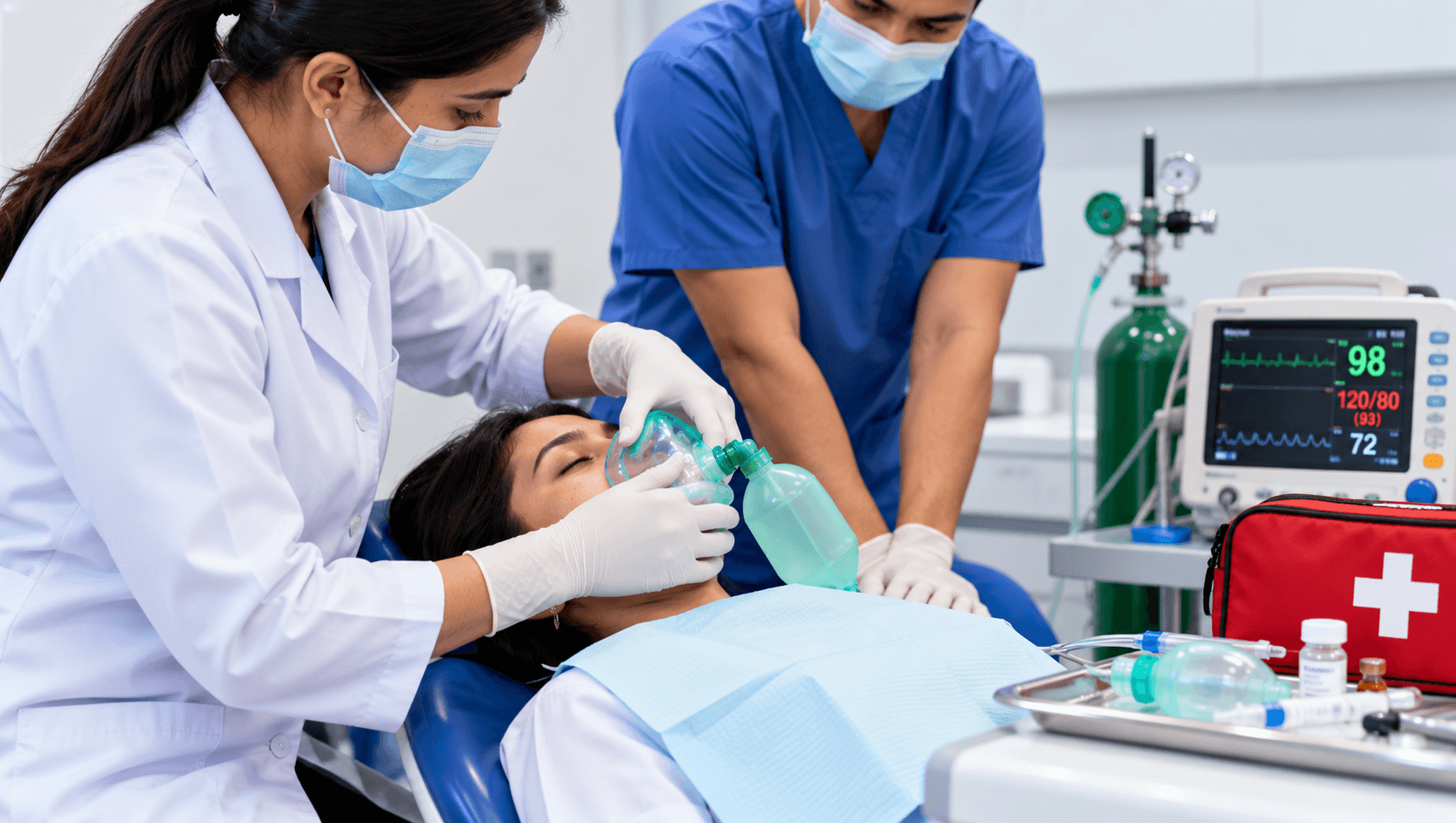
Why Should Every Dentist Be Prepared for a Medical Emergency?
Dental clinics are generally safe and controlled environments, but patients may experience unexpected medical problems during treatment. Anxiety, fear, pain, underlying medical conditions, medications, fasting and the stress of dental procedures can contribute to an emergency situation.
A dentist may encounter a patient who becomes unconscious, develops difficulty breathing, experiences chest discomfort or has a sudden change in blood glucose. The ability to recognise these situations quickly and respond appropriately can be extremely important.
Medical emergency preparedness should therefore be considered part of everyday dental practice rather than something required only in hospitals or large healthcare facilities.
Before starting treatment, dentists should pay attention to the patient's medical history and current health status. Important information may include:
Existing medical conditions Current medications and allergies Previous medical or dental emergencies History of diabetes, asthma or cardiovascular disease Previous reactions to medicines or dental treatment
This information can help the dental team identify potential risks and take appropriate precautions.
Common Medical Emergencies in Dental Practice
Some medical emergencies are more likely to be encountered in dental settings than others. Syncope or fainting is one of the commonly recognised events and may be associated with anxiety, fear or stress. Early recognition of symptoms and appropriate positioning and monitoring are important components of initial management.
Patients with diabetes may experience hypoglycaemia, particularly when food intake, medication and treatment schedules are not appropriately considered. Sweating, weakness, confusion and altered consciousness can be warning signs that require prompt attention.
An allergic reaction can vary from mild symptoms to a severe emergency such as anaphylaxis. Swelling, breathing difficulty and circulatory changes should be treated as potentially serious signs requiring urgent medical attention.
Dentists may also encounter asthma-related breathing difficulties, seizures, chest pain or suspected cardiac emergencies. Each situation requires appropriate assessment and an emergency response based on the patient's condition.
The dental team should remember that emergency management is not about attempting to provide hospital-level treatment within the dental clinic. The priority is to recognise the problem, provide appropriate initial support and obtain emergency medical assistance when required.
Emergency Preparedness in the Dental Clinic
Good emergency management starts before an emergency occurs. A dental clinic should have appropriate emergency equipment, clearly defined responsibilities and staff who understand how to respond.
A basic emergency preparedness plan should include:
Emergency equipment: Appropriate emergency equipment and essential medicines should be readily accessible and regularly checked.
Staff training: The entire clinical team should understand their individual responsibilities during an emergency.
Emergency contacts: The clinic should have a clear process for contacting local emergency medical services.
Regular practice: Emergency drills and refresher training can help staff respond more confidently during stressful situations.
Patient records: Relevant medical history and emergency information should be easily accessible to the clinical team.
The exact equipment and emergency medicines required may vary according to the dental practice, patient population and applicable professional guidelines. Dental professionals should follow current local regulations and recognised clinical protocols.
Why Medical Emergency Training Matters
Knowing the theory of medical emergencies is useful, but dentists also need to understand how to respond when a real emergency occurs. Practical training can help clinicians become familiar with emergency assessment, basic life support, emergency equipment and team communication.
A medical emergency course for dentists can provide an opportunity to review common emergencies and practise appropriate responses in a structured environment. Continuing education is particularly valuable because emergency skills can become less familiar when they are not used regularly.
The dental team should also understand that emergency preparedness is a shared responsibility. Reception staff, dental assistants, hygienists and other members of the clinical team may all have important roles during an emergency.
Patient Safety Comes First
The best approach to a medical emergency is preparation, early recognition and appropriate action. A dentist should never ignore changes in a patient's condition simply because the patient initially appeared healthy.
Careful medical history taking, appropriate patient assessment and good communication can help identify potential concerns before treatment begins. When an emergency does occur, staying calm, following an established protocol and seeking professional medical assistance when necessary are essential.
Medical emergencies may not occur every day in a dental practice, but every dental professional should be prepared for the possibility.
Conclusion
Medical emergencies in dental practice are an important part of clinical dentistry that every dentist should understand. Syncope, hypoglycaemia, allergic reactions, asthma attacks, seizures and cardiovascular emergencies can occur unexpectedly and require prompt recognition and appropriate management.
Regular training, appropriate emergency preparedness and a well-trained dental team can help create a safer environment for patients and clinicians.
For dentists, learning how to recognise and respond to medical emergencies is not simply an additional professional skill. It is an important component of responsible clinical practice and patient safety.
Frequently Asked Questions
What are the common medical emergencies in a dental clinic?
Common situations include syncope, hypoglycaemia, allergic reactions, asthma attacks, seizures and cardiovascular emergencies.
Why should dentists learn medical emergency management?
Dentists may encounter unexpected medical events during routine treatment. Emergency training helps them recognise warning signs and provide appropriate initial assistance while arranging further medical care when required.
What should a dental clinic have for emergency preparedness?
The clinic should have appropriate emergency equipment and medicines, trained staff, accessible emergency contacts and a clear protocol for responding to medical emergencies.
How can dentists improve their emergency management skills?
Regular refresher training, practical emergency courses, basic life support training and emergency drills can help dentists and their teams maintain preparedness.