Why Do Teeth Become Sensitive? Causes, Symptoms, Diagnosis & Prevention
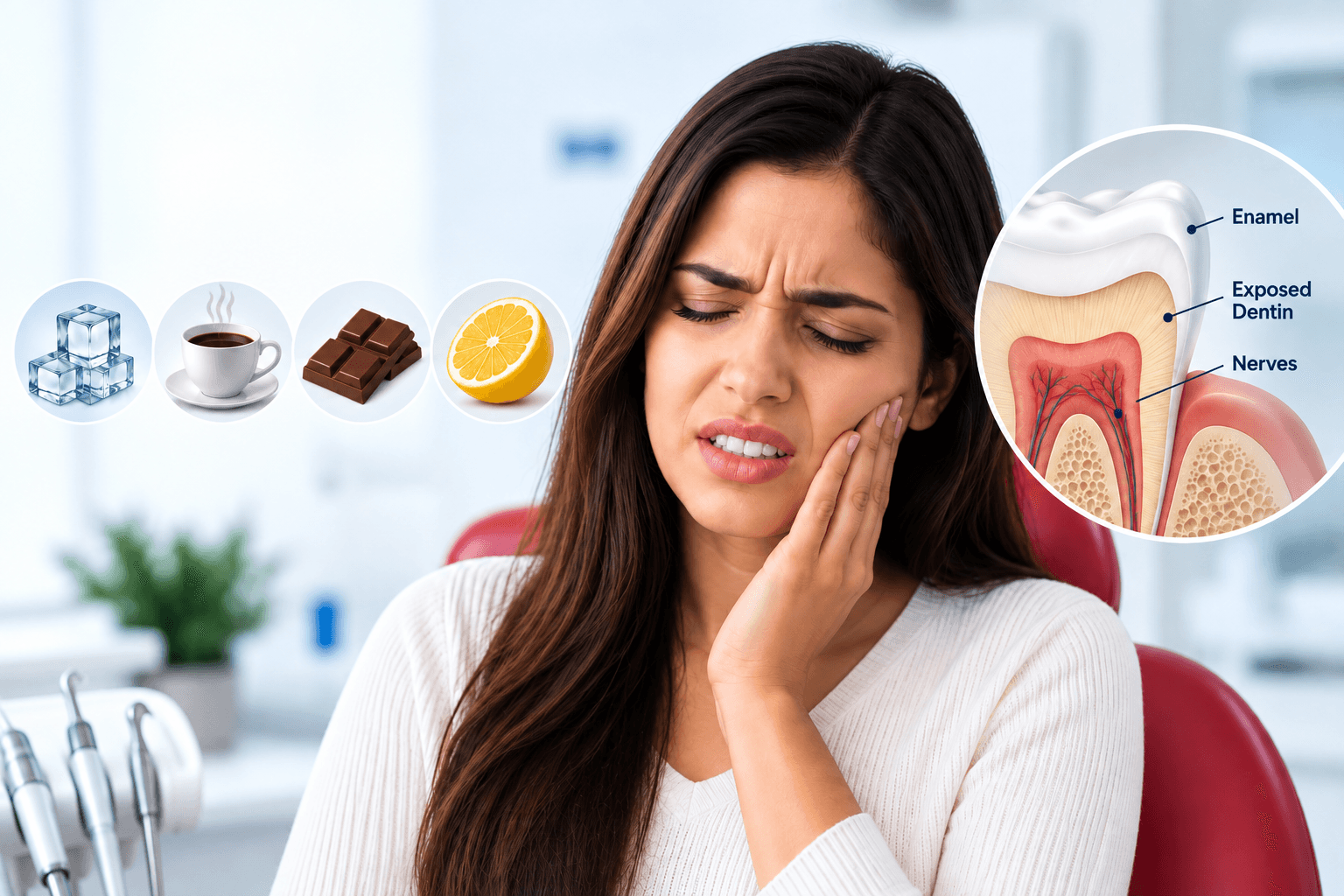
Tooth sensitivity is a common dental problem that causes a sudden, sharp sensation when eating or drinking hot, cold, sweet, or acidic foods. Some people may also experience sensitivity while brushing or breathing in cold air. Understanding the causes of tooth sensitivity can help in choosing the right preventive and treatment approach.
What Causes Tooth Sensitivity?
The outer layer of a tooth, called enamel, protects the underlying dentin. When enamel wears away or the gums recede, dentin can become exposed and react to external stimuli.
Common causes of sensitive teeth include:-
Enamel erosion from acidic foods and drinks
Gum recession and exposed tooth roots
Aggressive brushing or improper brushing technique
Tooth wear caused by grinding or clenching
Dental cavities
Cracked or fractured teeth
Temporary sensitivity after certain dental treatments
How Is Tooth Sensitivity Diagnosed?
A dentist evaluates the patient's symptoms and examines the teeth and gums to identify the underlying cause. The examination may look for cavities, enamel erosion, gum recession, tooth cracks, defective restorations, or signs of pulpal problems.
A brief, sharp pain that stops when the stimulus is removed is commonly associated with dentin hypersensitivity. However, prolonged or spontaneous pain may indicate another dental condition and requires professional assessment.
How Can Sensitive Teeth Be Managed?
Treatment depends on the cause. Desensitizing toothpaste and fluoride products may help reduce sensitivity in appropriate cases. When sensitivity is caused by cavities, cracks, severe tooth wear, or gum problems, professional dental treatment may be necessary.
Patients can also reduce the risk of tooth sensitivity by using a soft-bristled toothbrush, avoiding excessive brushing pressure, limiting frequent acidic foods and drinks, and maintaining regular dental check-ups.
Key Takeaway
Tooth sensitivity is a symptom rather than a diagnosis. Identifying its underlying cause is essential for effective treatment. Persistent, severe, or localized sensitivity should be evaluated by a dentist to rule out conditions such as dental caries, cracked teeth, or pulpal disease.